
· The SleepGrids Team · Health · 10 min read
How Exercise Affects Sleep Quality: Timing, Intensity, and What Actually Works
Exercise improves sleep quality, especially deep sleep. But timing matters. Learn the science of exercise and sleep, plus how to find your personal exercise-sleep pattern.
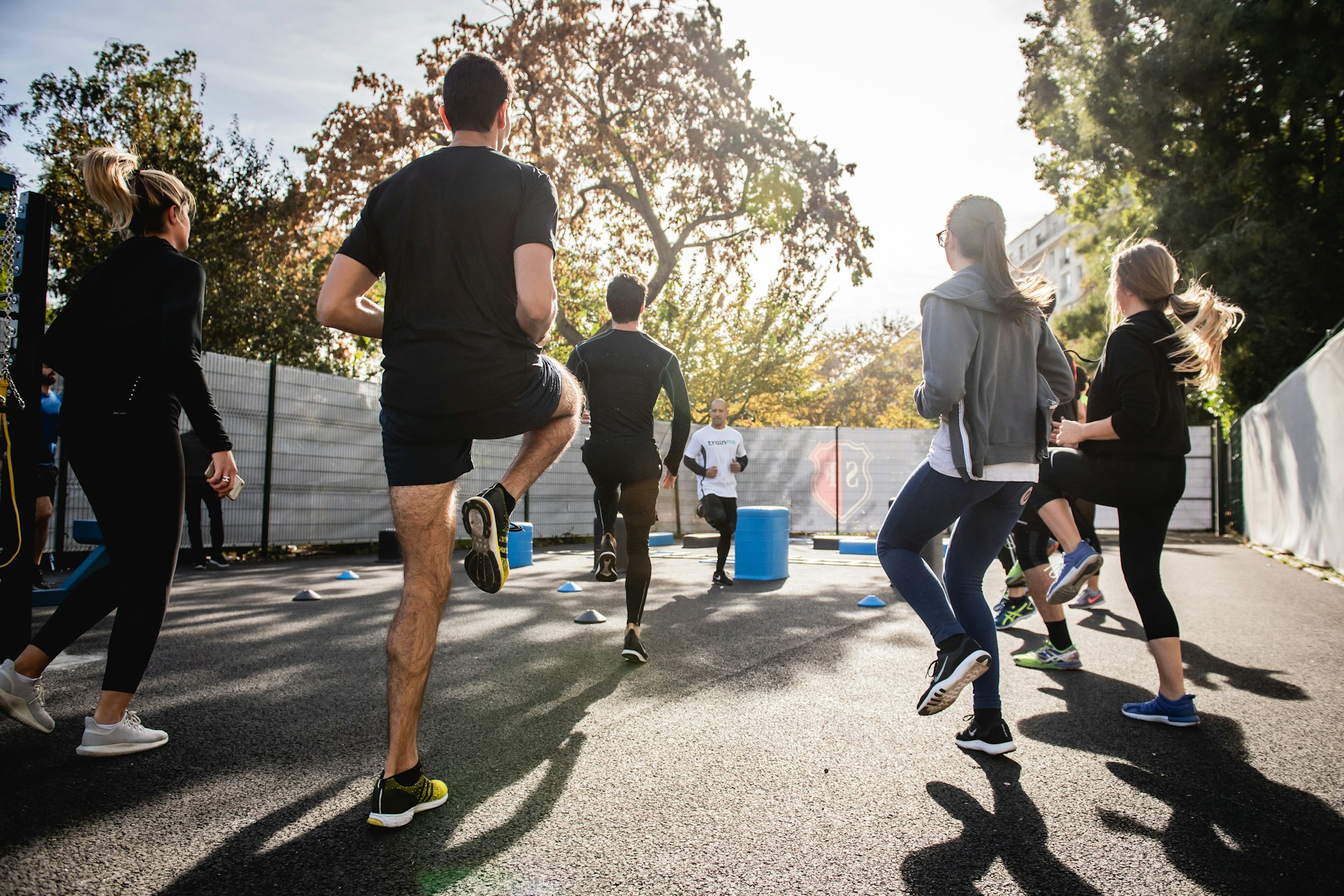
Exercise improves sleep quality by increasing deep sleep, regulating circadian rhythm, and reducing stress and anxiety. The science is solid: people who exercise consistently report significantly better sleep than sedentary people. But there’s a nuance that matters—timing and intensity can matter for some people. The real insight comes from tracking your own response: exercise affects everyone’s sleep quality, but the optimal type, time, and intensity is personal.
Many people assume evening exercise disrupts sleep. That’s partly true for some people, but research shows most people sleep fine after evening workouts. The key is knowing your own threshold. That’s where tracking comes in. When you log exercise alongside sleep quality for 3–4 weeks, the pattern emerges. Your data becomes your rule book.
Does Exercise Actually Improve Sleep? What the Research Shows
Regular exercise is one of the most reliable interventions for improving sleep quality. The evidence is robust.
Meta-analysis by Kredlow, Capozzoli, Hearon, and Otto published in the Journal of Sleep Research (2015) analyzed 66 studies on exercise and sleep. Finding: Exercise increases slow-wave (deep) sleep, reduces time to sleep onset (latency), and increases overall sleep efficiency. The effect size is substantial—not marginal.
The National Sleep Foundation’s 2013 Sleep in America Poll surveyed 1,000+ adults. Among those who exercise, 65% reported excellent or very good sleep quality, compared to 35% of sedentary adults. The difference is striking.
More importantly, the relationship is dose-responsive: more consistent exercise correlates with better sleep. People who exercise 3–5 days per week report better sleep than those who exercise 1–2 times per week. And people who have exercised for months or years show more dramatic sleep improvements than those who just started.
What this means: Exercise isn’t a quick fix. It’s a cumulative habit. Most people notice sleep improvements within 2–3 weeks of consistent activity, but the deeper benefits (increased deep sleep, more stable sleep architecture) compound over months. If you’ve never tracked your sleep before, start now—establish a baseline, then begin or increase exercise, and watch your sleep improve over 4–6 weeks.
How Exercise Increases Deep Sleep
Exercise increases slow-wave (deep) sleep, the stage where physical restoration and memory consolidation happen.
Here’s the mechanism: Physical exertion depletes energy stores in your muscles and brain. Your body responds by increasing adenosine—a neurotransmitter that builds up during wakefulness and creates “sleep pressure” (the biological drive to sleep). Adenosine is why you feel tired after a hard workout. But it also signals your brain that deep sleep is needed for recovery. The result: when you finally sleep, you spend more time in slow-wave sleep, the restorative stage.
Additionally, exercise helps regulate your circadian rhythm by exposing you to physical exertion during the day, which strengthens the signal to your body that daytime is for activity and nighttime is for sleep. This circadian alignment deepens sleep quality.
Research by Dolezal, Neufeld, Boland, Martin, and Cooper published in Advances in Preventive Medicine (2017) found that regular exercise increased slow-wave sleep by 15–30% in sedentary individuals who began exercising. The effect is measurable and significant.
What to do: Commit to consistent exercise—at least 30 minutes of moderate intensity, 3+ days per week. Within 2–3 weeks, log your sleep quality each morning on a 1–10 scale. By week 4–6, you should see an upward trend in both sleep quality and how rested you feel. The improvement compounds as your exercise habit solidifies. Use visual tracking to see the correlation between exercise days and sleep quality days—seeing the pattern is motivating and helps you stay consistent.
Does Exercise Timing Matter for Sleep?
For most people, no. But for some people, very intense exercise very close to bedtime can delay sleep onset.
The concern is real: exercise raises core body temperature. Sleep onset requires a 1–2°C drop in core body temperature. If you exercise intensely within 1 hour of bed, your body temperature stays elevated, potentially delaying sleep onset.
However, research by Stutz, Eiholzer, and Spengler published in Sports Medicine (2019) reviewed 23 studies on exercise timing and sleep. Their conclusion: Exercise in the evening (6 PM–11 PM) does not impair sleep for most people. The relationship between late-night exercise and sleep depends on intensity and individual sensitivity. Moderate-intensity evening exercise has no negative effect. High-intensity exercise within 1 hour of bed might delay sleep onset—but only for sensitive individuals, and the effect is small.
Practical takeaway: The data shows evening exercise is fine for most people. But track your personal response. Some people sleep better after evening workouts because exercise reduces anxiety and improves mood. Others find that intense evening exercise delays their sleep by 20–30 minutes. The only way to know which applies to you is to log it.
What to track: Log exercise type and end time, and note your sleep quality and time to sleep onset the next morning. Within 2–3 weeks, you’ll see whether evening exercise helps, hurts, or makes no difference for you. Then you can optimize. Many people find they can do moderate evening exercise (30-minute jog, steady strength session) but need to finish intense workouts (HIIT, heavy lifting) by 6 PM. Others have no threshold—they sleep fine anytime. Your data reveals your truth.
How Much Exercise Do You Need to Improve Sleep Quality?
150 minutes of moderate-intensity aerobic exercise per week correlates with 65% improvement in sleep quality. That’s the gold standard from the National Sleep Foundation.
But you don’t need to hit 150 minutes to see benefits. Research shows that even 30 minutes of moderate exercise most days of the week improves sleep onset and sleep quality. The relationship is roughly dose-responsive: more exercise usually means better sleep, but with diminishing returns. Someone exercising 5 days per week sees more improvement than someone exercising 2 days per week, but the jump from 4 to 5 days is smaller than the jump from 1 to 2 days.
More importantly, consistency matters more than intensity. Three moderate workouts per week (say, 45-minute steady runs or strength sessions) typically yields better sleep improvements than one very intense workout per week. Your body benefits from regular circadian alignment signals and regular adenosine buildup, not from sporadic exhaustion.
What’s “moderate”? Heart rate 50–70% of your max, or the exertion level where you can talk but not sing. This might be brisk walking, steady cycling, moderate running, or strength training with controlled weight and tempo.
What to aim for: 150 minutes per week if you’re optimizing for sleep (and cardiovascular health, which also improves sleep). But even 60–90 minutes per week is meaningful. More realistic: 30 minutes, most days. Start where you are, be consistent, and track. After 4 weeks of consistent exercise, you’ll see the sleep improvement. That progress is motivating and often enough to cement the habit.
Aerobic vs Strength Training: Which Is Better for Sleep?
Both improve sleep. Aerobic exercise shows more consistent improvements in deep sleep; strength training adds the benefit of muscle preservation and metabolic health.
Aerobic exercise (running, cycling, rowing, swimming) increases adenosine more directly and produces more consistent improvements in slow-wave sleep, according to Kredlow’s meta-analysis. People who do primarily aerobic exercise often report the biggest sleep quality jumps.
Strength training (weights, resistance bands, bodyweight) also improves sleep quality, though the effect size is slightly smaller on average. However, strength training adds metabolic and muscle benefits that matter for longevity and health as you age. Additionally, strength training can improve sleep through anxiety reduction and mood improvement, which indirectly supports sleep.
The best exercise for sleep is the one you’ll actually do consistently. Someone who does 3 strength sessions per week and hates running will see more sleep benefit from consistent strength training than from forcing themselves to run sporadically.
What to do: Track both if you do them. Log aerobic exercise separately from strength training for 4–6 weeks. You’ll see whether your sleep responds more to aerobic days or strength days (or both equally). Many people find a mix works best—2–3 aerobic sessions plus 1–2 strength sessions per week. Use that insight to build a sustainable routine. Read more on how exercise timing affects sleep for optimal scheduling.
How to Find Your Personal Exercise–Sleep Pattern
This is where tracking becomes powerful. Every person’s exercise-sleep relationship has nuances. Your job is to discover your personal pattern.
Step 1: Establish a baseline (1–2 weeks). Log your sleep quality (1–10 scale) each morning without changing exercise habits. Note your current exercise frequency and timing. This is your starting point.
Step 2: Implement or increase exercise (4–6 weeks). Pick a sustainable routine: 30 minutes, 3–4 days per week, at times that fit your life. Log exercise type, duration, and end time each day. Log sleep quality each morning.
Step 3: Analyze your data after 4 weeks. Look at correlations:
- Exercise days vs. rest days: Is your sleep quality higher on days after you exercised? By how much?
- Timing: Do morning workouts, afternoon workouts, or evening workouts correlate with better sleep?
- Type: If you mix aerobic and strength, does one type correlate more strongly with good sleep?
- Consistency: Did sleep quality improve overall as your exercise consistency increased?
Step 4: Optimize based on patterns (ongoing). Adjust timing, type, or frequency based on what you discovered. If morning runs correlate with excellent sleep, prioritize morning exercise. If evening workouts delay your sleep onset, move them earlier. If strength training shows no obvious correlation but aerobic does, shift toward more aerobic activity.
Most people see clear patterns within 4–6 weeks of consistent tracking. Apps like SleepGrids simplify this by showing visual heatmaps correlating exercise days with sleep quality—no manual analysis needed. The patterns jump out visually.
Frequently Asked Questions
Does exercise really improve sleep quality, or is that just a myth? It’s well-established science. Meta-analysis by Kredlow et al. (2015) in the Journal of Sleep Research found that regular exercise increases slow-wave (deep) sleep and reduces the time it takes to fall asleep. People who exercise consistently report 65% better sleep quality than sedentary people, according to National Sleep Foundation data. The effect is real and measurable.
Is it bad to exercise close to bedtime? For most people, no. Research by Stutz et al. (2019) in Sports Medicine shows evening exercise doesn’t harm sleep for the majority of people. However, very intense exercise within 1 hour of bed can delay sleep onset in sensitive individuals because it raises core body temperature. Track your own response—many people sleep fine after evening workouts. Find your personal threshold.
How much exercise do I need to improve sleep quality? 150 minutes of moderate-intensity aerobic exercise per week is associated with 65% improvement in sleep quality. But even 30 minutes of moderate exercise most days can make a difference. Consistency matters more than intensity. Three moderate workouts per week beats one intense session per week for sleep benefits.
Does aerobic exercise improve sleep more than strength training? Both improve sleep, but aerobic exercise shows more consistent benefits for deep sleep according to research. However, strength training also improves sleep quality and adds the benefit of muscle preservation. The best exercise for sleep is the one you’ll actually do consistently. Track both and see what works best for you.
Why does exercise improve sleep if it makes you tired? Exercise increases adenosine buildup in your brain, which creates sleep pressure (the feeling that you need sleep). It also helps regulate your circadian rhythm, reduces anxiety, and increases slow-wave sleep. The fatigue you feel after exercise is different from sleep; it’s your body’s demand for recovery, which sleep satisfies more deeply.
How do I know if exercise is actually helping my sleep? Track it. Log your exercise (type, duration, time of day) and your sleep quality the next morning for 2–3 weeks. You’ll see the pattern—which exercise types help, which times work best for you, and how consistent activity shapes your sleep quality over time. Most people see results within 2–3 weeks of regular exercise.
The evidence is clear: exercise improves sleep. But the optimal approach for you is personal. What matters is starting, staying consistent, and tracking long enough to see your pattern emerge. Within 4–6 weeks, your data will show you exactly how exercise is reshaping your sleep.
Start logging today and begin building the exercise habit that transforms your sleep.
Download SleepGrids and start tracking: https://apps.apple.com/us/app/sleepgrids-sleep-habit-log/id6759190552