· The SleepGrids Team · Health · 9 min read
Signs You Might Have Sleep Apnea (And What to Do Next)
Sleep apnea is one of the most common sleep disorders in the world — and most people who have it don't know. Here are the signs to look for and the steps to take if you recognise them.
Sleep apnea is estimated to affect over 1 billion people worldwide in some form. Approximately 80% of moderate to severe cases remain undiagnosed.
The reason so many cases go undetected isn’t that the signs are subtle — it’s that they’re easy to explain away. Tiredness is blamed on being busy. Snoring is treated as an inconvenience, not a symptom. Morning headaches are put down to dehydration. The fragmented, unrestorative sleep at the centre of sleep apnea doesn’t look dramatically different from what a lot of people think of as normal sleep.
Here’s what to actually look for — and what the process looks like if you decide to get checked.
What Sleep Apnea Actually Does While You Sleep
Obstructive sleep apnea (OSA) occurs when the muscles of the throat relax during sleep to the point that the airway partially or fully collapses. Breathing slows, reduces in depth (a hypopnea), or stops entirely (an apnea). Carbon dioxide accumulates, oxygen saturation drops, and the brain triggers an arousal — a brief awakening to restore muscle tone and resume breathing.
This arousal is typically too brief to reach conscious awareness. The person doesn’t remember waking. But the sleep stage is disrupted — often multiple times per hour, throughout the night — fragmenting sleep architecture and preventing the sustained deep sleep and REM sleep that make sleep restorative.
Someone with moderate sleep apnea (15–29 breathing events per hour) may experience over 100 arousals per night without knowing it. They wake up feeling terrible and genuinely don’t understand why — because from their subjective experience, they slept all night.
This is why understanding why you’re still tired after 8 hours of sleep is so important: sleep apnea is one of the most common and most treatable explanations, and it’s one that never appears in sleep duration data.
The Most Common Signs of Sleep Apnea
Loud or disruptive snoring. Snoring occurs when the airway partially obstructs — air forced through a narrowed passage vibrates the soft tissues of the throat. Not all snoring indicates apnea (it can also be caused by nasal congestion, body position, or alcohol), but loud snoring — particularly if it’s disruptive to a bed partner or punctuated by gasping or silence — is one of the strongest indicators. If you’ve been told your snoring is concerning, that observation is worth taking seriously.
Witnessed breathing pauses. A partner or roommate observing periods during which breathing appears to stop is one of the most clinically significant symptoms. “They stopped breathing for a moment, then gasped and started again” is a near-textbook description of an obstructive apnea event.
Waking with a dry mouth or sore throat. People with sleep apnea often breathe through the mouth during sleep — either as compensation for nasal obstruction or because the apnea events disrupt the normal breathing pattern. Waking with a reliably dry or scratchy throat is a meaningful symptom.
Morning headaches. Reduced oxygen saturation during apnea events causes blood vessels in the head to dilate — producing the dull, generalised morning headache that resolves within 1–2 hours of waking. If you regularly wake with a headache that clears by mid-morning, this pattern is worth investigating.
Excessive daytime sleepiness. Sleep apnea is one of the most common causes of pathological daytime sleepiness — the kind where you fall asleep during meetings, in cars (as a passenger), or in quiet environments during the day despite spending enough hours in bed. The Epworth Sleepiness Scale is a simple 8-question tool that clinicians use to quantify daytime sleepiness; a score above 10 is considered clinically significant.
Waking unrefreshed despite adequate sleep time. This is the quieter, less dramatic presentation that often goes uninvestigated. If you consistently sleep 7–9 hours and wake feeling as tired as when you went to bed, and the habits that usually explain poor sleep quality (alcohol, late meals, high stress) don’t account for it, sleep apnea should be on the list.
Nocturia (waking to urinate). Less discussed but reasonably common — apnea events increase pressure in the chest cavity during breathing effort, which can trigger the release of atrial natriuretic peptide, a hormone that promotes urination. People with moderate to severe sleep apnea sometimes find that treating the apnea reduces or eliminates nighttime trips to the bathroom.
Difficulty concentrating, memory problems, mood disturbances. Chronic sleep fragmentation impairs prefrontal cortex function — the region responsible for executive function, working memory, and emotional regulation. Sleep apnea is associated with higher rates of depression, anxiety, and cognitive impairment, which can improve significantly with treatment.
Risk Factors That Increase Your Likelihood
Sleep apnea is not random — certain characteristics significantly raise the probability:
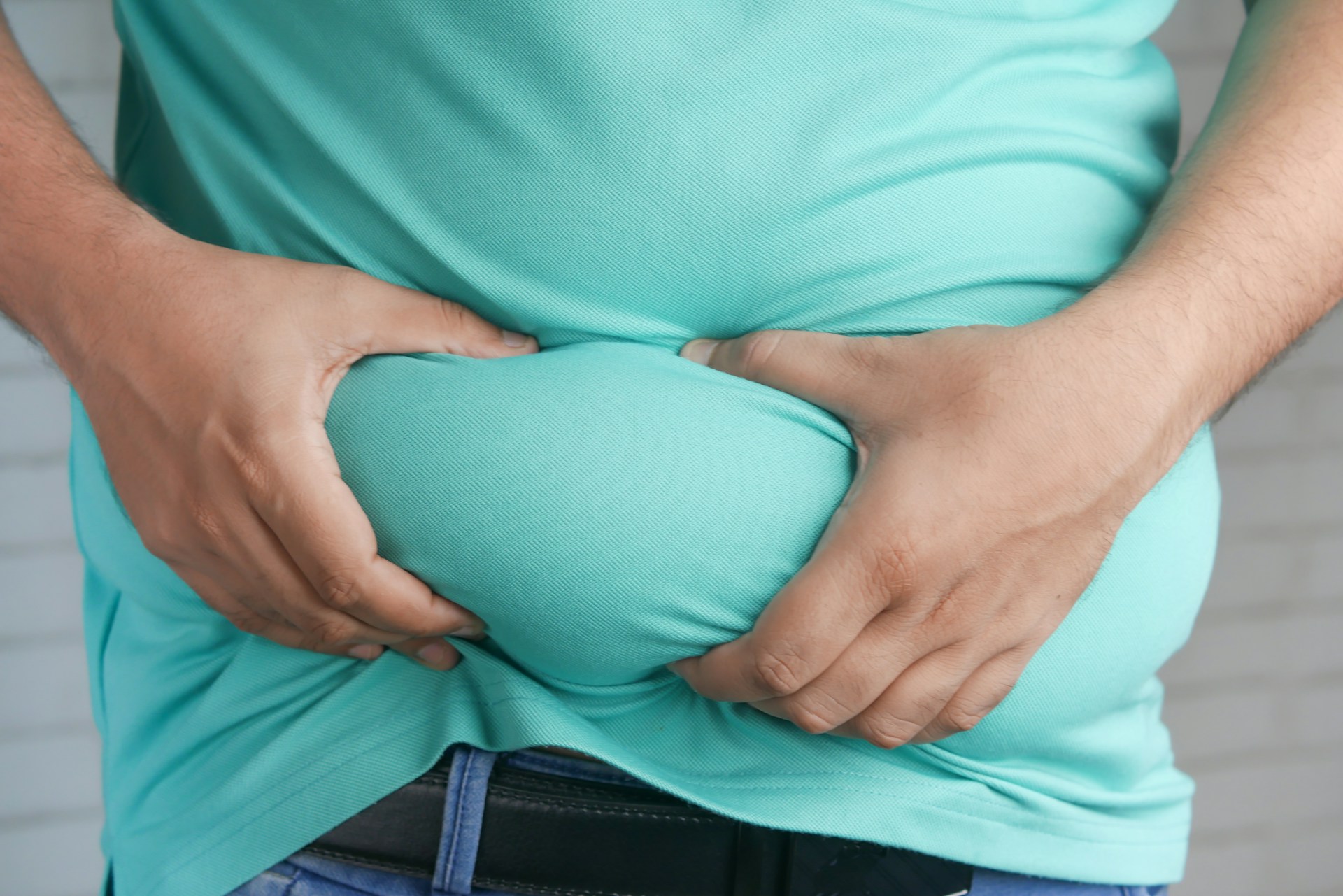
Obesity or being overweight. Excess fat tissue around the neck and pharynx increases the likelihood of airway collapse. Neck circumference is a useful proxy — more than 40cm (15.7 inches) in women and 43cm (17 inches) in men is associated with elevated OSA risk.
Male sex. Men are roughly 2–3 times more likely than pre-menopausal women to have obstructive sleep apnea. However, this gap narrows significantly after menopause, when OSA rates in women increase substantially.
Age. OSA prevalence increases with age, peaking in the 50s and 60s. The combination of reduced muscle tone and accumulation of pharyngeal fat with ageing increases airway collapse risk.
Alcohol. Alcohol is a muscle relaxant — it reduces upper airway muscle tone, which exacerbates airway collapse during sleep. Even moderate alcohol consumption meaningfully increases apnea events in people who are borderline positive. This is an important reason alcohol’s effects on sleep quality extend well beyond REM suppression.
Smoking. Associated with airway inflammation and increased apnea risk.
Nasal obstruction. Chronic nasal congestion (allergies, deviated septum) forces mouth breathing, which changes airway geometry and increases collapse risk.
Family history. OSA has a hereditary component, related to both cranial anatomy and muscle tone characteristics.
Why Sleep Apnea Is Often Missed
In women: The classic presentation of loud snoring and witnessed apneas is more common in men. Women with OSA more frequently present with insomnia, fatigue, mood disturbances, and headaches — symptoms that are often attributed to depression, anaemia, or menopause rather than sleep apnea. This leads to significant underdiagnosis in women, particularly in perimenopause and post-menopause when OSA risk increases substantially.
In slim individuals: Most people associate sleep apnea with significant overweight. While obesity is a strong risk factor, sleep apnea can affect people of any body weight — particularly those with certain cranial anatomy (small jaw, large tonsils, narrow airway) or strong genetic predisposition.
In people without a bed partner: Many people first learn about their snoring or breathing pauses from a partner. Living alone removes this early warning system, and symptoms that remain — daytime fatigue, unrefreshing sleep — are easy to normalise or attribute elsewhere.
What to Do If You Recognise These Signs
Talk to your doctor. This is not a condition you can self-diagnose, and it’s not one you can treat without professional assessment. If you recognise multiple symptoms above, describe them specifically to your GP — particularly snoring pattern, witnessed pauses, daytime sleepiness, and morning headaches. This provides the clinical rationale for a referral to sleep medicine or a home sleep test.
Track your symptoms. Keeping a sleep log in the weeks before your appointment gives you objective data to present — how often you wake unrefreshed, daytime sleepiness patterns, morning headache frequency, and which habits correlate with your worst nights. After a few weeks of logging in SleepGrids, you’ll be able to show a doctor a clear record of your sleep quality patterns rather than relying on “I think I often feel bad in the mornings.” Pattern data is more useful than subjective impressions. The same sleep quality tracking habits that improve general sleep also help build the evidence base for a productive medical conversation.
Get tested, then get treated. If a sleep study confirms OSA, treatment options are effective. CPAP (Continuous Positive Airway Pressure) is the first-line treatment for moderate to severe OSA and has strong evidence for improving sleep quality, daytime function, and long-term cardiovascular outcomes. Mandibular advancement devices (custom dental appliances) are effective for mild to moderate cases and more tolerable for people who can’t adjust to CPAP. Positional therapy (for OSA that occurs predominantly when sleeping supine) and weight loss are useful adjuncts. Treatment is not optional — untreated moderate to severe sleep apnea is associated with elevated cardiovascular risk, hypertension, metabolic dysfunction, and cognitive decline.
Frequently Asked Questions
What are the signs of sleep apnea? The most common signs: loud snoring (especially with pauses or gasping), witnessed breathing stops during sleep, waking with dry mouth or morning headache, excessive daytime sleepiness, waking unrefreshed despite adequate hours, difficulty concentrating, and nocturia. Not all signs need to be present — even 2–3 of the above, particularly in someone with risk factors, is sufficient reason to get evaluated.
Can you have sleep apnea without snoring? Yes. Snoring is common but not universal. Women, people with central sleep apnea, and some people with positional OSA may have minimal or no snoring. The other symptoms — unrefreshing sleep, daytime fatigue, morning headaches — are equally important indicators.
How serious is sleep apnea if untreated? Moderate to severe untreated sleep apnea significantly increases risk of hypertension, atrial fibrillation, heart attack, stroke, type 2 diabetes, and cognitive decline. It also substantially impairs daytime function and is associated with higher rates of motor vehicle and workplace accidents. Treatment is highly effective and reverses most of these risks.
Does sleep apnea go away on its own? In most cases, no — the structural and physiological causes don’t resolve without intervention. Weight loss can significantly reduce OSA severity in overweight individuals. Positional therapy helps for positional OSA. In children, removing enlarged tonsils and adenoids frequently resolves OSA. For most adults, active treatment is needed.
Is a home sleep test accurate enough to diagnose sleep apnea? Home sleep apnea tests (HSATs) are accurate for moderate to severe OSA in adults without other sleep disorders or significant comorbidities. They measure breathing, oxygen saturation, and heart rate. They may underestimate OSA severity compared to in-lab polysomnography because they don’t capture the full sleep stage picture. If an HSAT comes back negative but symptoms persist, an in-lab study may be recommended.
What is the apnea-hypopnea index (AHI)? The AHI is the number of breathing disruptions (apneas and hypopneas) per hour of sleep. Mild OSA: 5–14 events/hour. Moderate: 15–29. Severe: 30+. An AHI below 5 is normal for adults. The AHI is the primary metric used to diagnose OSA and determine treatment urgency.
If you recognise these symptoms in yourself, please speak with your doctor. SleepGrids can help you track and document your sleep patterns, but it is not a medical device and cannot diagnose sleep apnea.
Start tracking your sleep quality patterns with SleepGrids — log your sleep and habits daily and see whether your patterns suggest something worth investigating. Free on iPhone.