The Best Time to Go to Sleep (According to Science)
There's no universal magic bedtime. But there is a right one for you — determined by your chronotype, your wake time, and your circadian rhythm. Here's how to find it.
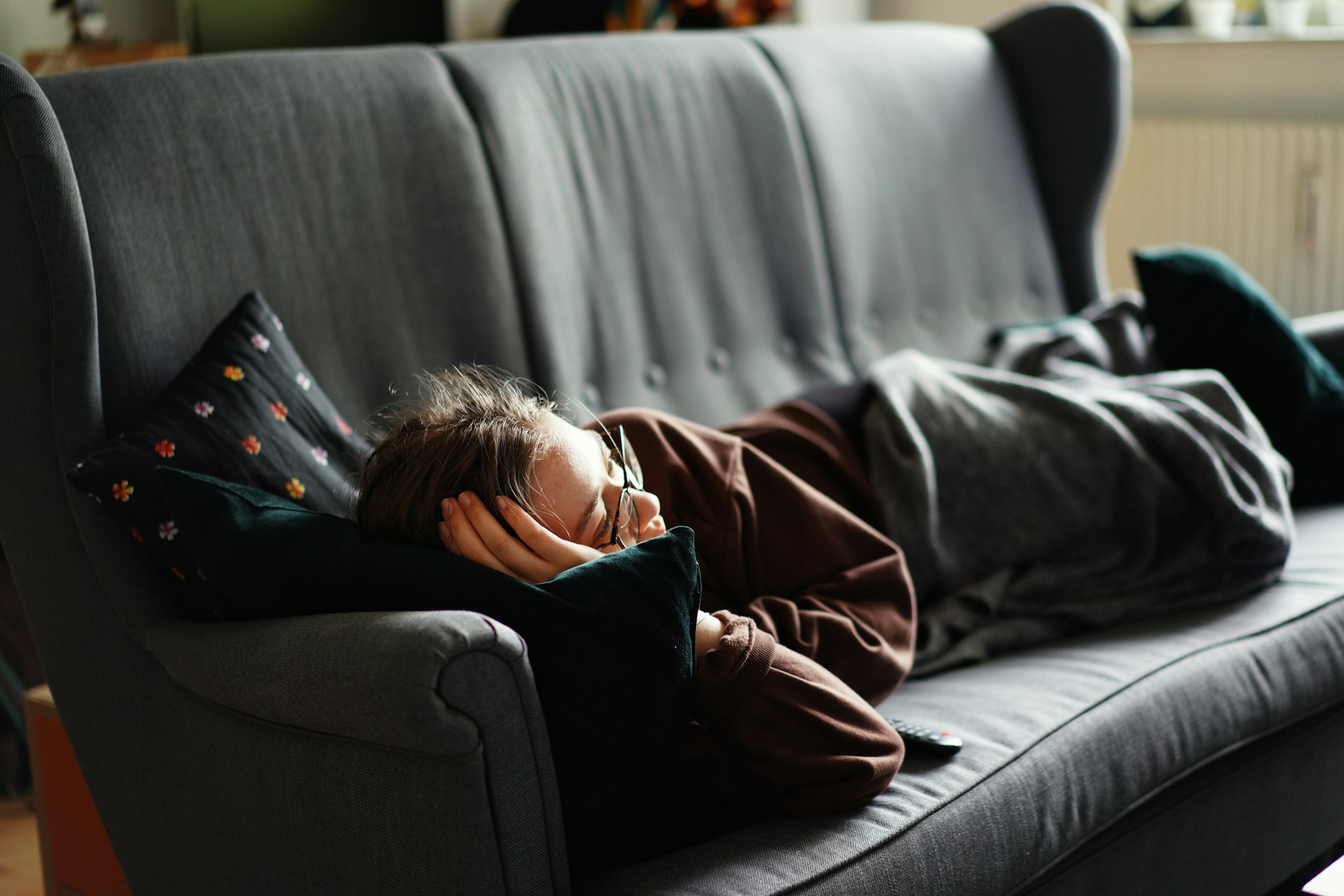
There's no universal magic bedtime. But there is a right one for you — determined by your chronotype, your wake time, and your circadian rhythm. Here's how to find it.
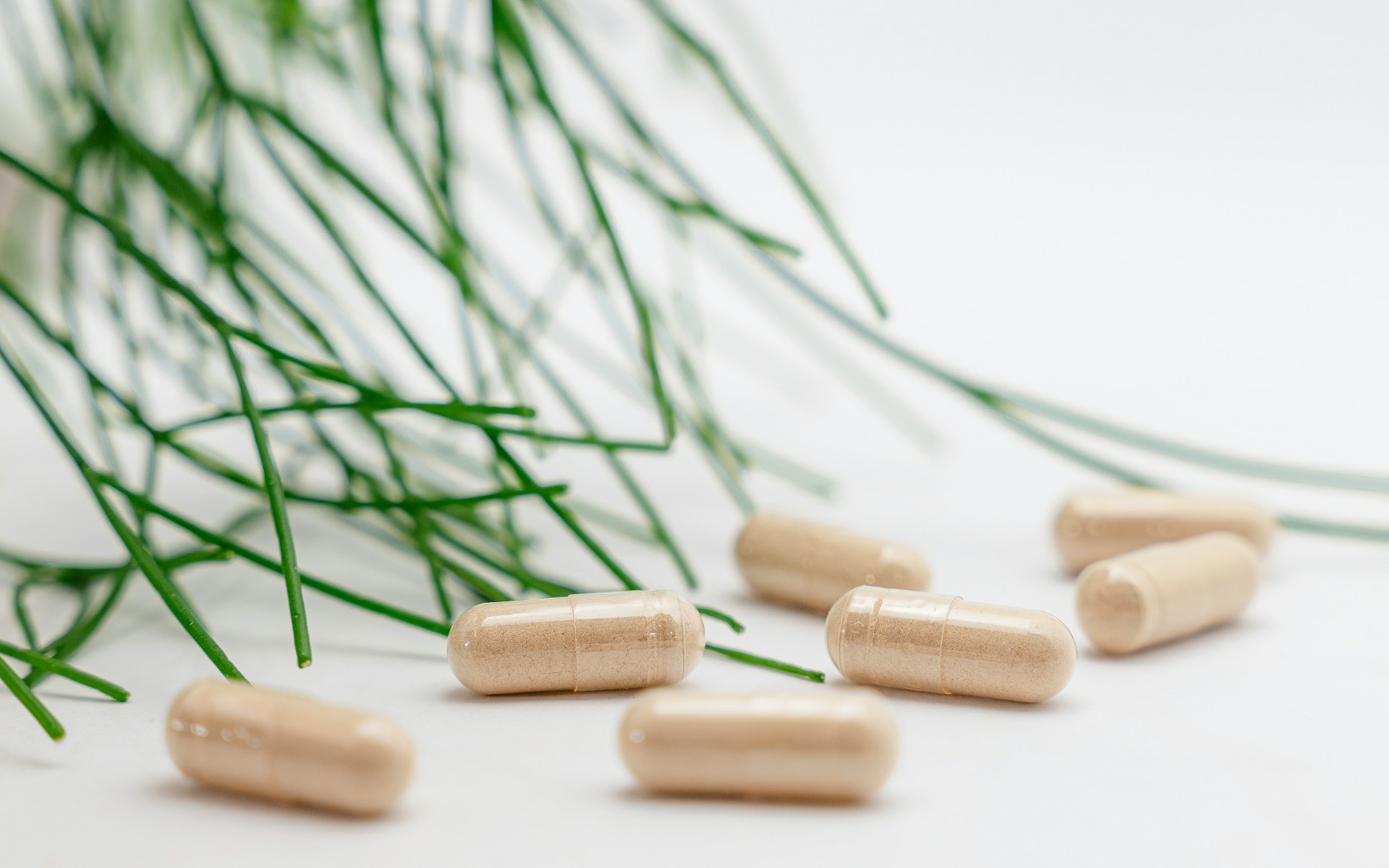
Melatonin is the world's most popular sleep supplement — and most people take it wrong. It's not a sedative. Here's what it actually does, when it works, and the dosage problem nobody talks about.

A 20-minute nap and a 30-minute nap feel completely different — one leaves you sharp, the other leaves you groggy. Here's the science behind nap length and how to get it right.

Magnesium doesn't knock you out — it removes the biological tension that keeps you awake. Here's what the science says about which form works, what dose, and how to know if it's actually helping.

Most sleep advice focuses on what you do before bed. But the choices you make before 10am have just as much influence on how well you'll sleep 14 hours later. Here's the science behind morning habits and sleep.

Anxiety and insomnia feed each other in a feedback loop that gets worse the harder you try to sleep. Here's how to interrupt it — with techniques backed by sleep science.