
· The SleepGrids Team · Health · 8 min read
Does Lack of Sleep Cause Weight Gain? What the Science Says
Struggling with weight despite eating well? Poor sleep disrupts the hormones that control hunger and fat storage. Here's the biology behind sleep and weight gain — and what to do about it.
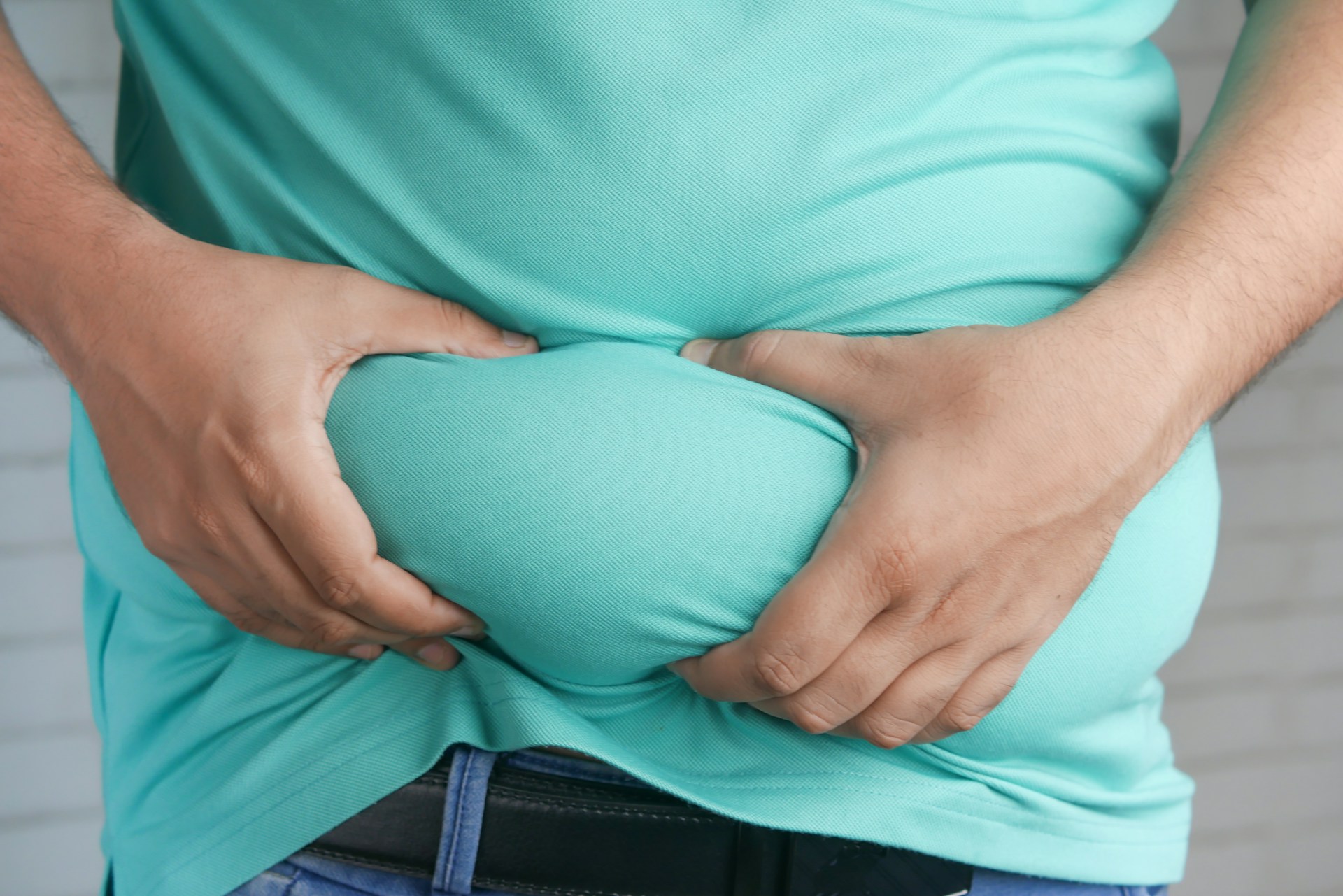
You’re eating reasonably. You’re not dramatically overeating. But the weight isn’t moving — or it’s creeping up — and you can’t figure out why.
If you’re consistently sleeping less than 7 hours, the missing variable might not be on your plate at all. Poor sleep doesn’t just make you tired. It directly rewires the hormonal systems that regulate hunger, satiety, fat storage, and metabolism — and it does it after a single bad night.
Here’s what’s actually happening, and why sleep tracking is one of the most overlooked tools in weight management.
The Hunger Hormone Loop That Bad Sleep Creates
Two hormones sit at the centre of the sleep-weight relationship: ghrelin and leptin.
Ghrelin is produced primarily in the stomach and signals hunger to the brain. When you haven’t slept enough, ghrelin levels rise. Leptin is produced by fat cells and signals to your brain that you’ve had enough to eat. When you haven’t slept enough, leptin levels fall.
Researchers at the University of Chicago, led by Dr. Shahrad Taheri and Dr. Eve Van Cauter, were among the first to quantify this relationship in human subjects. In a landmark study, participants who slept just two hours less than their normal amount for two consecutive nights showed a 14.9% increase in ghrelin levels and a 15.5% decrease in leptin levels compared to fully rested nights. The subjective result: participants reported a 24% increase in appetite, with a particular spike in cravings for calorie-dense, carbohydrate-rich foods like sweets, salty snacks, and starchy foods.
The brain, starved of restorative sleep, signals the body to find fast energy — and it does this through a hormonal environment that makes calorie-dense foods feel genuinely more appealing, not just more tempting.
This isn’t a willpower failure. It’s a predictable hormonal response to sleep loss that makes dietary self-control significantly harder.
Sleep Deprivation and the Endocannabinoid System
Research from the University of Chicago, led by Dr. Erin Hanlon, added a further layer to the hunger-sleep story in 2016. Her team found that sleep restriction activates the endocannabinoid system — the same neurological pathway involved in the appetite-stimulating effects of cannabis.
Specifically, sleep-deprived participants showed elevated levels of 2-arachidonoylglycerol (2-AG), an endocannabinoid that enhances the pleasure of eating. This wasn’t just about eating more — it was about eating more pleasurably. Sleep-deprived participants ate more snacks high in fat and sugar, and reported more pleasure from eating them, even after eating a controlled meal that should have satisfied their hunger.
In other words, poor sleep essentially gives your brain the munchies — chemically, not metaphorically. And it makes the foods most likely to cause weight gain the ones that feel most rewarding.
Cortisol, Stress, and Fat Storage
Beyond hunger hormones, sleep deprivation raises cortisol — your body’s primary stress hormone.
Elevated evening and nighttime cortisol does two things relevant to weight. First, it signals the liver to release glucose into the bloodstream, providing energy for the perceived threat your stress response thinks you’re facing. Second, and over the longer term, chronically elevated cortisol promotes the accumulation of visceral fat — the metabolically active fat stored around the abdominal organs that is most strongly associated with metabolic disease.
Cortisol doesn’t just make you gain weight; it preferentially directs fat storage toward the abdomen. People under chronic sleep restriction consistently show elevated morning cortisol levels relative to well-rested controls, and the pattern is self-reinforcing: high cortisol fragments sleep, which raises cortisol further.
This is particularly relevant for people over 30, where the natural age-related decline in deep sleep coincides with a period in life when cortisol from career and family demands is often at its peak. If you’re noticing changes in body composition that don’t match your diet, the cortisol-sleep connection is worth examining. The relationship between daytime stress and disrupted sleep quality is explored in detail in our guide to breaking the stress-insomnia cycle.
Insulin Sensitivity: The Metabolism Factor
Sleep deprivation also affects how efficiently your body handles carbohydrates.
A study published in The Lancet by researchers at the University of Chicago found that restricting healthy young men to 4 hours of sleep per night for 6 nights reduced their glucose tolerance and insulin sensitivity to levels comparable to early-stage type 2 diabetes. When they recovered with full sleep, these markers returned to normal.
Even moderate sleep restriction — sleeping 6.5 hours instead of 8 for a week — measurably reduces insulin sensitivity. The practical consequence is that the same meal produces a larger blood glucose spike in a sleep-deprived person than in a rested one, a larger insulin response, and a greater likelihood of that glucose being stored as fat rather than used for energy.
The Calorie Math of a Bad Night’s Sleep
Putting these effects together, the calorie arithmetic of chronic sleep deprivation is significant.
Research consistently shows that sleep-deprived adults eat between 300 and 500 more calories per day than rested adults — without intentionally deciding to eat more. Over the course of a year, 300 extra calories per day represents roughly 30 pounds of additional caloric intake. Even if most of that is offset by other factors, the directional effect is consistent and meaningful.
A 2022 randomised controlled trial published in JAMA Internal Medicine tested this directly. Researchers at the University of Chicago took adults who were habitually sleeping under 6.5 hours and helped half of them extend their sleep to 8.5 hours for two weeks, using sleep hygiene coaching. The sleep extension group spontaneously reduced their daily calorie intake by an average of 270 calories per day, with no dietary instruction whatsoever. Simply sleeping more led directly to eating less — without any conscious dietary effort.
Breaking the Cycle: Sleep, Weight, and Habits Together
The sleep-weight connection cuts both ways: poor sleep drives weight gain, and carrying excess weight — particularly if it contributes to sleep apnea — worsens sleep quality. Breaking the cycle generally requires addressing both sides simultaneously.
Practically, this means:
- Prioritising sleep duration — 7–9 hours for most adults. Use your wake time as an anchor and count backwards to set a consistent bedtime.
- Addressing late-night eating — finishing eating 2–3 hours before bed reduces the digestive interference that suppresses slow-wave sleep.
- Tracking the connection — the sleep-habit-weight relationship is often invisible day-to-day. Logging your sleep quality alongside habits like meal timing and alcohol for a few weeks often reveals patterns that explain what diet and exercise logs miss.
This is exactly what SleepGrids is designed to surface. When you log your sleep quality score each morning alongside habits like late meals, alcohol, and exercise, the visual grid makes correlations unmissable within a few weeks. If poor sleep is quietly driving your calorie intake, you’ll be able to see it. Understanding how daily habits connect to sleep quality over time is often the first step to breaking the cycle.
When to Seek Additional Support
If you suspect sleep apnea — snoring, waking unrefreshed, morning headaches — this is worth ruling out with a doctor. Obstructive sleep apnea independently increases cortisol, disrupts glucose metabolism, and is strongly associated with weight gain. It’s also highly treatable once diagnosed.
If you’ve cleaned up your sleep habits and are still waking exhausted, the reasons you’re tired after 8 hours of sleep go beyond duration — quality matters at least as much.
Frequently Asked Questions
Does lack of sleep cause weight gain? Yes — through multiple hormonal pathways. Sleep deprivation raises ghrelin (hunger), lowers leptin (satiety), elevates cortisol (fat storage), and reduces insulin sensitivity. Sleep-deprived people consistently eat 300–500 more calories per day, with stronger cravings for high-fat, high-carbohydrate foods, without necessarily feeling like they’re overeating.
How quickly does poor sleep affect weight? Hormonal effects begin after even one night of short sleep. Ghrelin rises and leptin falls within 24–48 hours of sleep restriction. Over longer periods — weeks to months of consistent short sleep — these hormonal shifts translate into meaningful changes in body composition, particularly visceral fat accumulation driven by elevated cortisol.
Does sleeping more actually help you eat less? Research suggests yes. A 2022 randomised trial found that adults who extended their sleep from 6.5 to 8.5 hours spontaneously reduced their calorie intake by about 270 calories per day, with no dietary instruction. The hormonal environment of well-rested sleep naturally reduces hunger and makes calorie-dense foods less compulsively appealing.
Which hormones connect sleep and weight gain? The primary hormones are ghrelin (hunger, rises with sleep deprivation), leptin (satiety, falls with sleep deprivation), cortisol (stress and fat storage, rises with poor sleep), and insulin (glucose handling — sleep deprivation reduces insulin sensitivity). The endocannabinoid system also plays a role in making high-calorie foods feel more rewarding after poor sleep.
Does alcohol before bed make weight gain worse? Yes — in two ways. Alcohol suppresses deep sleep and increases nighttime cortisol, both of which drive the hormonal patterns associated with weight gain. It also adds calories directly. If you regularly drink in the evening and struggle with both sleep quality and weight, this combination is worth examining. Our alcohol and sleep guide explains the science in detail.
Can napping offset the metabolic effects of poor nightly sleep? Partially. Napping can restore some alertness and reduce cortisol spikes associated with acute sleep deprivation, but it doesn’t fully restore insulin sensitivity or normalise ghrelin and leptin levels the way a full night’s sleep does. Napping is a useful short-term tool, not a substitute for consistent nightly sleep.
Start tracking your sleep and daily habits with SleepGrids — log in 10 seconds each morning and let the visual grid show you which habits are quietly working against your sleep, and your health. Free to download on iPhone.