The Best Time to Go to Sleep (According to Science)
There's no universal magic bedtime. But there is a right one for you — determined by your chronotype, your wake time, and your circadian rhythm. Here's how to find it.
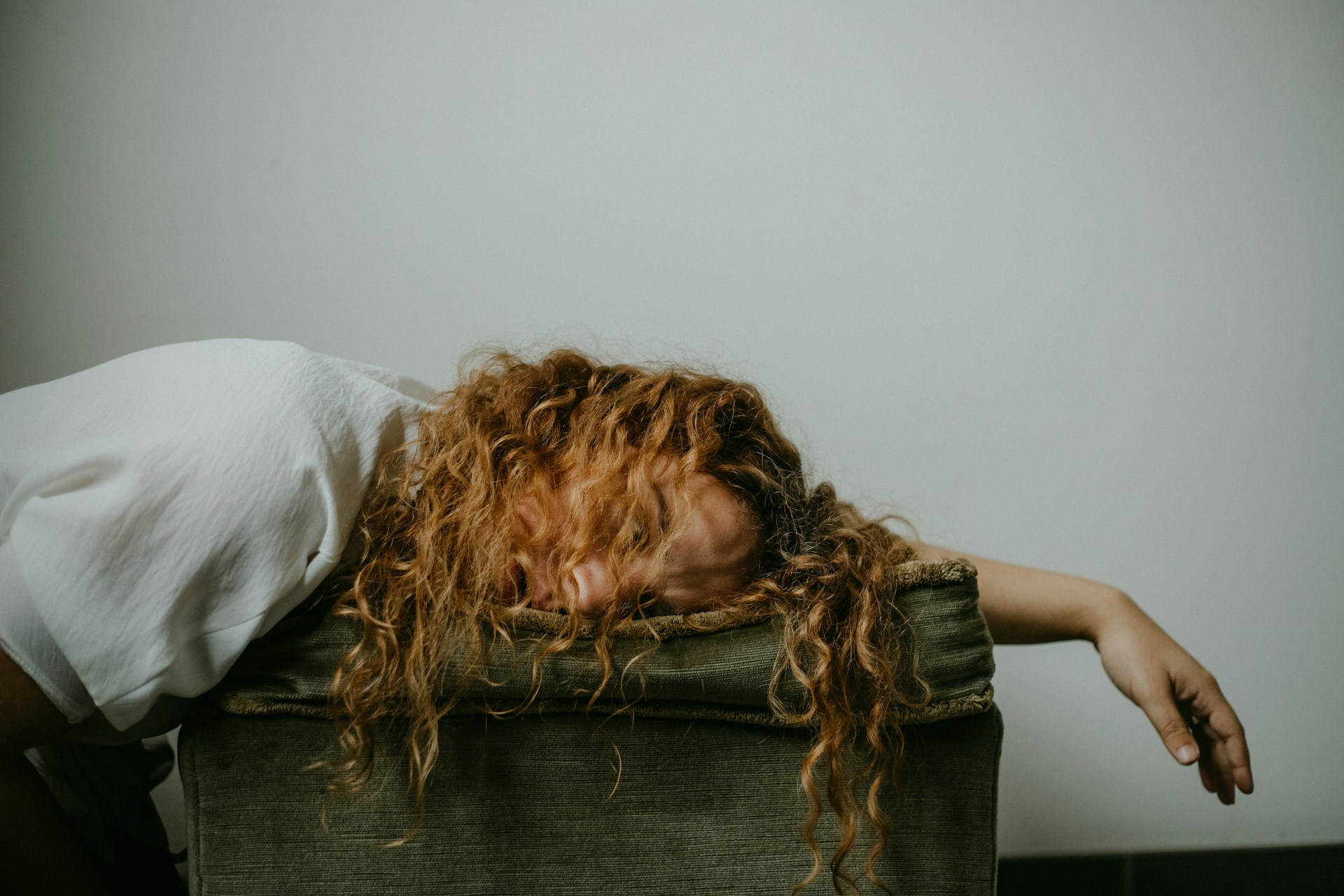
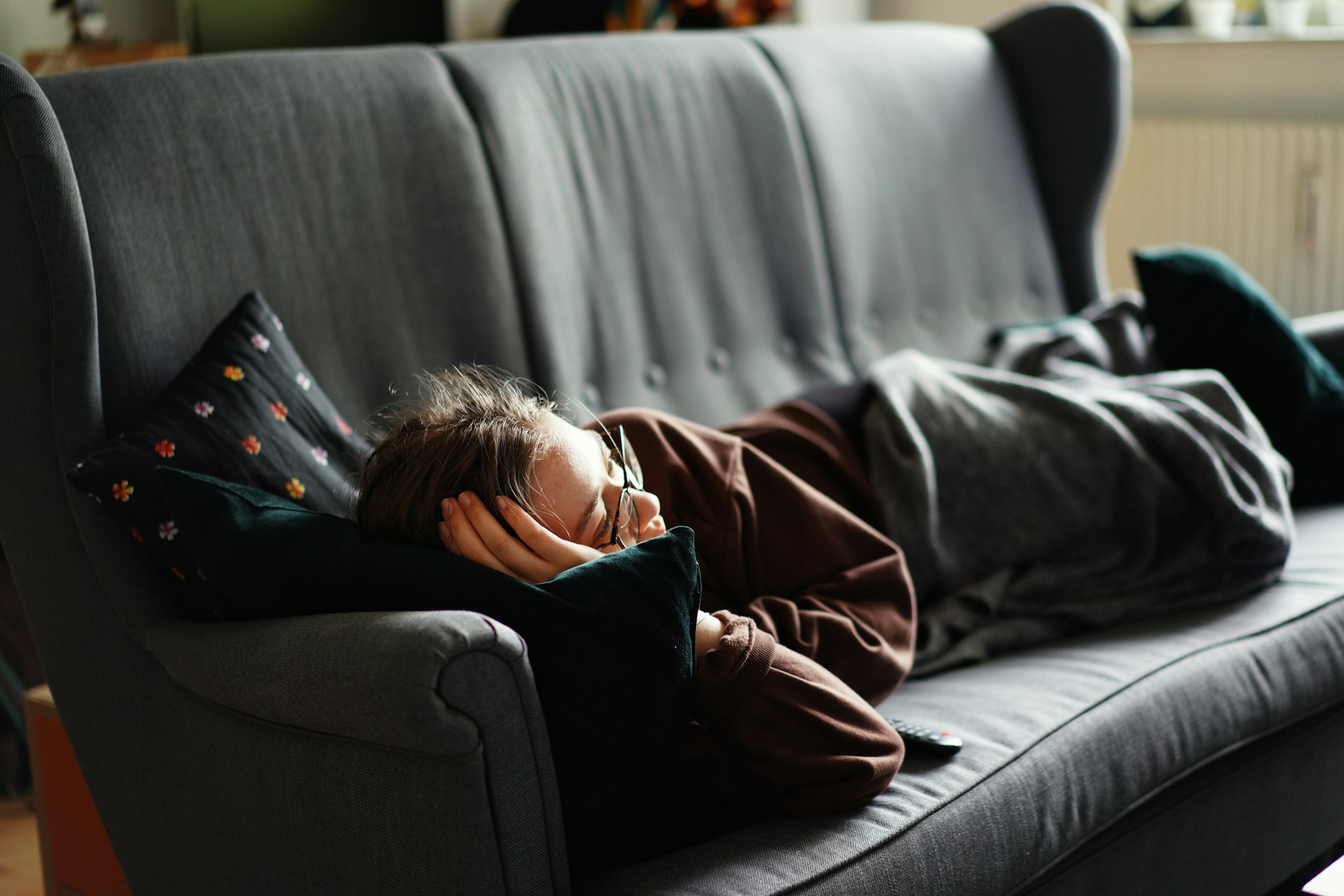
There's no universal magic bedtime. But there is a right one for you — determined by your chronotype, your wake time, and your circadian rhythm. Here's how to find it.
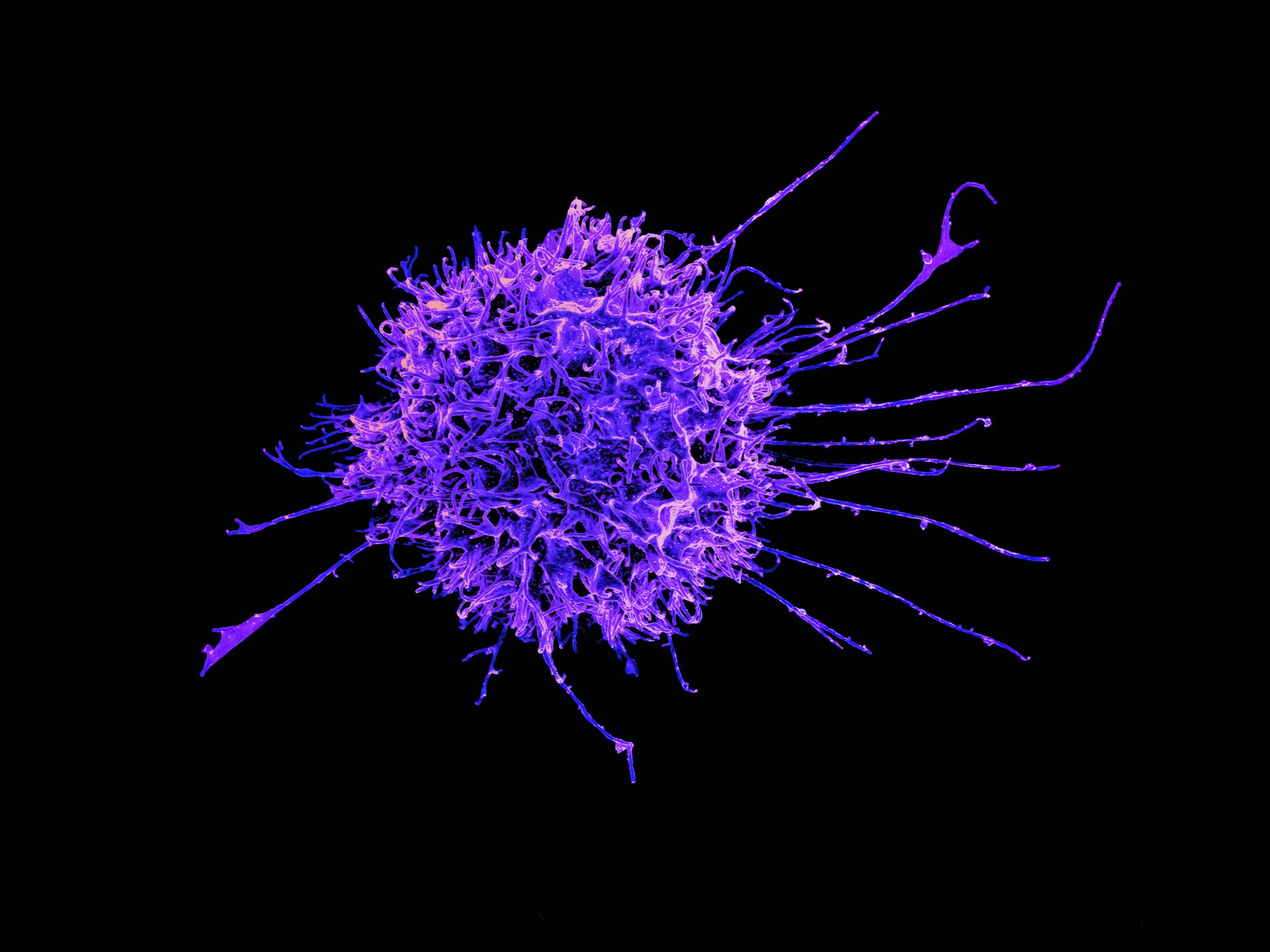
Melatonin is the world's most popular sleep supplement — and most people take it wrong. It's not a sedative. Here's what it actually does, when it works, and the dosage problem nobody talks about.

A 20-minute nap and a 30-minute nap feel completely different — one leaves you sharp, the other leaves you groggy. Here's the science behind nap length and how to get it right.

Sleeping under 6 hours quadruples your risk of catching a cold. That's not a metaphor — it's what controlled research shows. Here's how sleep and immunity are connected, and why the relationship goes both ways.

Sleep isn't one thing — it's four distinct stages cycling through the night, each doing something different. Understanding them explains why 8 hours can still leave you exhausted.

The nightcap myth debunked. Learn how alcohol disrupts REM sleep, causes rebound wakefulness, and damages sleep quality—even in small amounts.