· The SleepGrids Team · Sleep Science · 10 min read
How Sleep Affects Your Immune System (The Science Is Striking)
Sleeping under 6 hours quadruples your risk of catching a cold. That's not a metaphor — it's what controlled research shows. Here's how sleep and immunity are connected, and why the relationship goes both ways.
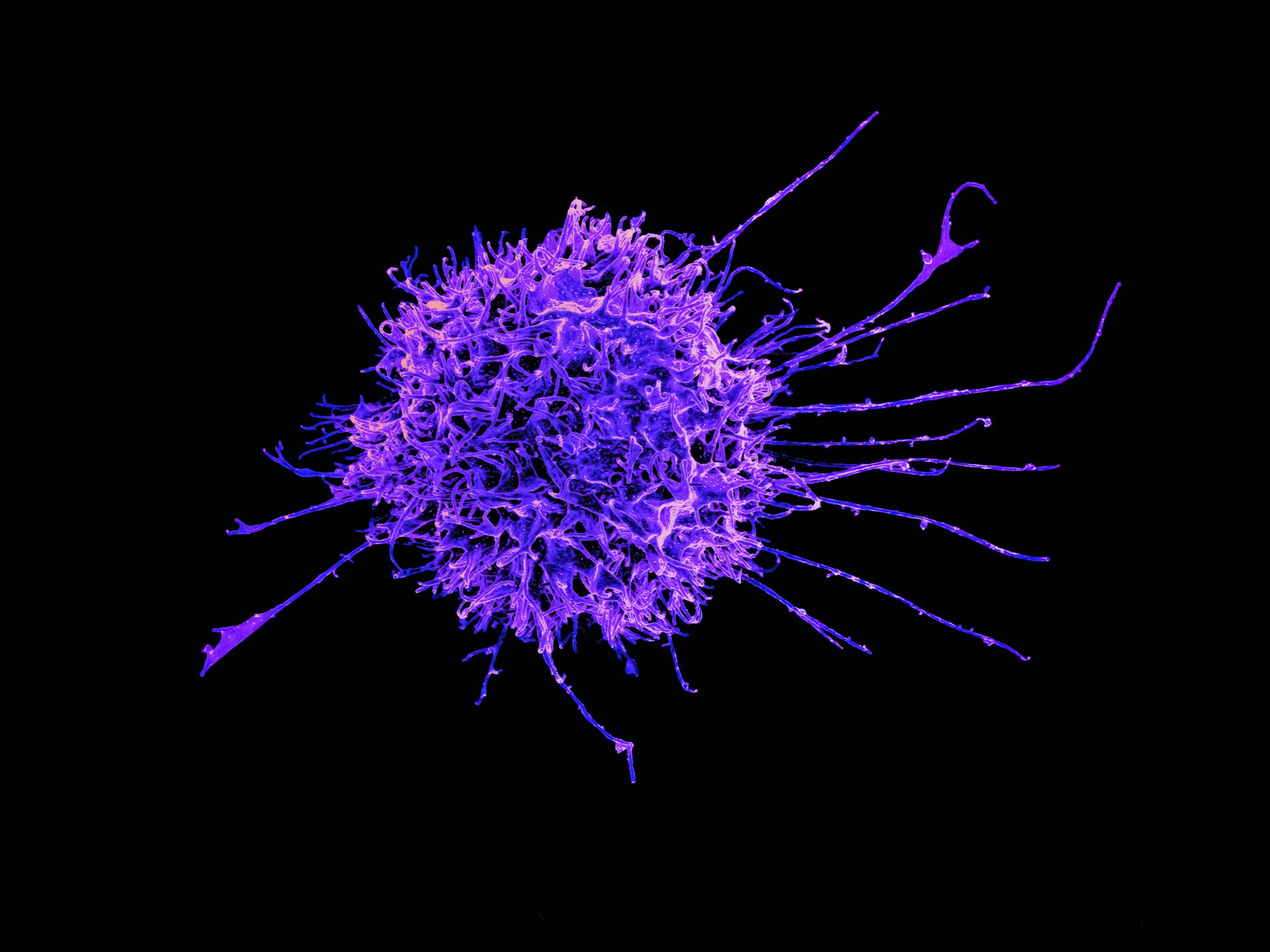
Sleeping less than 6 hours a night makes you more than four times more likely to catch a cold when exposed to the virus.
That’s not a general wellness approximation — it’s a specific finding from a controlled study where participants were directly exposed to rhinovirus and monitored in quarantine. The effect is that large, that reproducible, and that poorly understood by most people who are carefully managing their diet and exercise but treating sleep as optional.
The immune-sleep relationship is one of the most robustly demonstrated in all of sleep science. Here’s what’s actually happening.
What Your Immune System Does While You Sleep
Sleep is not a passive state. The immune system uses it as a period of active work — and several of its most important functions are directly gated to sleep.
Cytokine production. Cytokines are signalling proteins that coordinate immune responses — recruiting immune cells to sites of infection, regulating inflammation, and directing the production of antibodies. During sleep, particularly during slow-wave (deep) sleep, cytokine production surges. Pro-inflammatory cytokines like interleukin-1 (IL-1) and tumor necrosis factor (TNF) — both involved in fighting infection — are released at higher levels during sleep than during wakefulness. The immune system essentially uses the low-demand period of sleep to restock its communication infrastructure.
T-cell activity. T-cells are a critical class of immune cell responsible for identifying and destroying cells infected by viruses or bacteria. Research published in the Journal of Experimental Medicine by a team at the University of Tübingen found that sleep significantly improves T-cell adhesion to target cells. During sleep, the levels of adrenaline and prostaglandins — molecules that inhibit T-cell adhesion — drop, allowing T-cells to form more effective bonds with infected cells. Sleep doesn’t just allow you to feel better — it actively enables the immune cells doing the fighting to work more effectively.
Natural Killer (NK) cell function. NK cells are the immune system’s rapid-response units — they detect and destroy infected or cancerous cells without needing prior exposure to a specific pathogen. Research by Dr. Matthew Walker at the University of California, Berkeley found that a single night of sleep restriction to 4 hours reduced NK cell activity by approximately 70% compared to a full sleep night. A single bad night was enough to significantly impair a core pillar of immune surveillance.
Memory formation for future threats. Part of what makes the immune response to a pathogen or vaccine effective is the formation of immunological memory — the ability of the immune system to respond faster and more powerfully the next time it encounters the same threat. This memory formation is, like cognitive memory, enhanced during sleep. The same slow-wave sleep that consolidates what you learned during the day also consolidates the immune system’s “learning” from exposures it encountered.
Sleep Deprivation and Infection Risk
The research on infection risk is unusually direct — and unusually striking.
The landmark study on this question was conducted by Dr. Aric Prather at the University of California, San Francisco. His team recruited 164 healthy adults and monitored their sleep for 7 days using wrist actigraphy. They then exposed participants to rhinovirus (the common cold virus) via nasal drops and quarantined them for 5 days to monitor whether they developed a cold.
Results: participants sleeping 5–6 hours per night were 4.2 times more likely to develop a cold than those sleeping 7 hours or more. Participants sleeping fewer than 5 hours were 4.5 times more likely. Sleep duration was the single strongest predictor of cold susceptibility — more predictive than stress levels, age, BMI, or socioeconomic status.
A separate study by the same group found that sleep efficiency (the proportion of time in bed actually spent sleeping) was independently predictive of susceptibility, even at similar total sleep durations. Fragmented, low-quality sleep impaired immune defence in a pattern similar to short sleep duration. This matters because it’s not just about hours in bed — it’s about whether those hours are genuinely restorative.
Sleep and Chronic Inflammation
Acute inflammation is healthy — it’s the immune response to injury or infection. Chronic, low-grade inflammation is something different: a persistent background activation of the immune system that contributes to cardiovascular disease, metabolic syndrome, type 2 diabetes, depression, and accelerated ageing.
Chronic sleep deprivation is consistently associated with elevated levels of systemic inflammatory markers, particularly C-reactive protein (CRP) and interleukin-6 (IL-6).
A study published in Sleep analysing over 24,000 participants found that sleeping fewer than 6 hours per night was associated with significantly elevated CRP levels. A meta-analysis published in PLOS Medicine confirmed the association across multiple large-scale studies, finding that short sleep duration was robustly associated with markers of chronic inflammation.
The mechanism involves the sleep-cortisol relationship: sleep deprivation raises cortisol, and cortisol in chronically elevated states promotes inflammatory signalling. It’s also mediated directly through the sympathetic nervous system — reduced sleep increases sympathetic activation, which promotes pro-inflammatory cytokine production.
The relationship between daytime stress and disrupted sleep — which compounds this inflammatory effect — is covered in our guide to stress and nighttime insomnia.
How Sleep Affects Vaccine Effectiveness
If you’ve recently been vaccinated, the evidence on sleep and vaccine response is worth knowing.
Multiple studies have investigated whether pre- or post-vaccination sleep affects the immune response. The findings are consistent: sleep matters for how well your immune system mounts a response to a vaccine.
A study from the University of California followed adults receiving the hepatitis B vaccine series and monitored their sleep in the week before vaccination. Participants who slept fewer than 6 hours per night produced significantly lower antibody titres to the vaccine — and were 11.5 times more likely to have antibody levels below the threshold considered protective. Similar findings have been reported for hepatitis A, influenza, and HPV vaccines.
The mechanism connects directly to the immunological memory consolidation discussed earlier. Sleep allows immune cells to “process” the vaccine encounter and form lasting memory B-cells and T-cells. Disrupting sleep around vaccination — particularly in the 1–2 days following — appears to impair this consolidation process.
Practical implication: if you’re scheduled for vaccination, prioritising sleep in the surrounding days is a legitimate strategy for improving its effectiveness. This is one of the more unusual but well-evidenced examples of how sleep quality has direct practical health consequences.
The Bidirectional Relationship: Sick Sleep and Sleep Sickness
The sleep-immune relationship is circular in the most interesting way: not only does poor sleep impair immunity, but the immune system actively uses sleep as a tool when it’s fighting an infection.
When you’re sick, you feel sleepy not as a side effect of illness but as a deliberate biological strategy. The cytokines released in response to infection — IL-1, TNF, IL-6 — directly promote sleep. Your immune system is commandeering more sleep because it knows that’s when it can do its best work.
This is why “sleep it off” is genuinely good advice. Research has shown that animals that sleep more during infection have better survival rates than those that are kept awake. The somnogenic (sleep-promoting) effect of infection is not incidental — it’s adaptive.
The implication for healthy people is mirrored: giving the immune system the sleep it needs during health is the equivalent of maintaining a facility that, when you need it most, is already at full operating capacity. Sleep deprivation is a form of immune suppression that you don’t notice until you encounter a pathogen and realise your defences were already down.
Building Immunity Through Consistent Sleep
The immune benefits of sleep are dose-responsive and accumulate over time. Consistent 7–9 hour sleep maintains NK cell counts, T-cell function, and cytokine production at healthy baseline levels. Chronic restriction gradually erodes these baselines — which is why people under chronic work stress who are also sleeping 6 hours tend to get sick more often and recover more slowly.
The two most evidence-supported changes for sleep-mediated immune support are straightforward:
Protect sleep duration. Seven hours is the minimum for most immune benefits in research settings. Eight hours appears to provide meaningful additional benefit. Below 6 hours, the risk increases sharply.
Protect sleep quality. Fragmented sleep — even at adequate duration — impairs immune function in ways similar to short sleep. The factors most reliably associated with sleep fragmentation in otherwise healthy people are alcohol, inconsistent sleep timing, late meals, and high evening stress. Our guide to improving sleep quality covers all of these systematically.
After a few weeks of daily sleep logging in SleepGrids, the relationship between your specific habits and your sleep quality score becomes unmissable. If you’re someone who gets sick more often during high-stress periods, tracking shows you whether those periods also correlate with reduced sleep quality — and which specific habits are compounding the effect. Understanding how sleep stages affect your physical restoration connects the immune story to the underlying biology of what your body does at night.
Frequently Asked Questions
How does sleep affect the immune system? Sleep is an active period of immune work: cytokine production surges during deep sleep, T-cell adhesion to target cells improves, NK cell activity peaks, and immunological memory consolidation occurs. Consistent sleep deprivation measurably reduces all of these, increasing infection susceptibility and impairing the immune response to vaccination and illness.
Does lack of sleep weaken your immune system? Yes — quickly and significantly. Research shows that sleeping under 6 hours makes you 4x more likely to catch a cold when exposed to the virus, reduces NK cell activity by up to 70% after a single night of restriction, and elevates systemic inflammatory markers with weeks of short sleep. The effects begin within days, not months.
How much sleep do you need for a strong immune system? Seven to nine hours is the research-supported range for maintaining healthy immune function. Below 6 hours, susceptibility to infection and inflammatory markers increase substantially. Above this range, the marginal immune benefit plateaus for most adults.
Does sleep affect how quickly you recover from illness? Yes. The immune system deliberately increases sleep drive during illness because sleep enhances immune function. Research in animal models shows that preventing sleep during infection reduces survival rates. Allowing additional sleep during illness is a genuine physiological strategy, not just rest.
Can poor sleep quality impair immunity even if total sleep time is adequate? Yes. Sleep fragmentation — multiple partial arousals per night that disrupt sleep architecture — impairs immune function similarly to short sleep duration. Eight hours of fragmented sleep due to sleep apnea, alcohol, or environmental disturbances may not provide the same immune benefit as 7 hours of consolidated, good-quality sleep.
Should you sleep more before getting vaccinated? The evidence suggests prioritising sleep in the days before and after vaccination is a legitimate strategy for improving the antibody response. Multiple studies have found significantly lower antibody titres and reduced vaccine protection in people sleeping fewer than 6 hours in the pre-vaccination period. It’s a low-cost, no-risk intervention with meaningful supporting evidence.
Track your sleep quality daily with SleepGrids — log your sleep and habits in 10 seconds each morning and see which patterns are supporting your health and which are quietly working against it. Free on iPhone.