
· The SleepGrids Team · Sleep Science · 10 min read
Why Do I Wake Up Tired? The Science of Sleep Inertia and Morning Grogginess
Discover why you feel groggy despite sleeping 8+ hours. Learn how sleep cycles, alarm timing, and sleep stages affect morning fatigue.
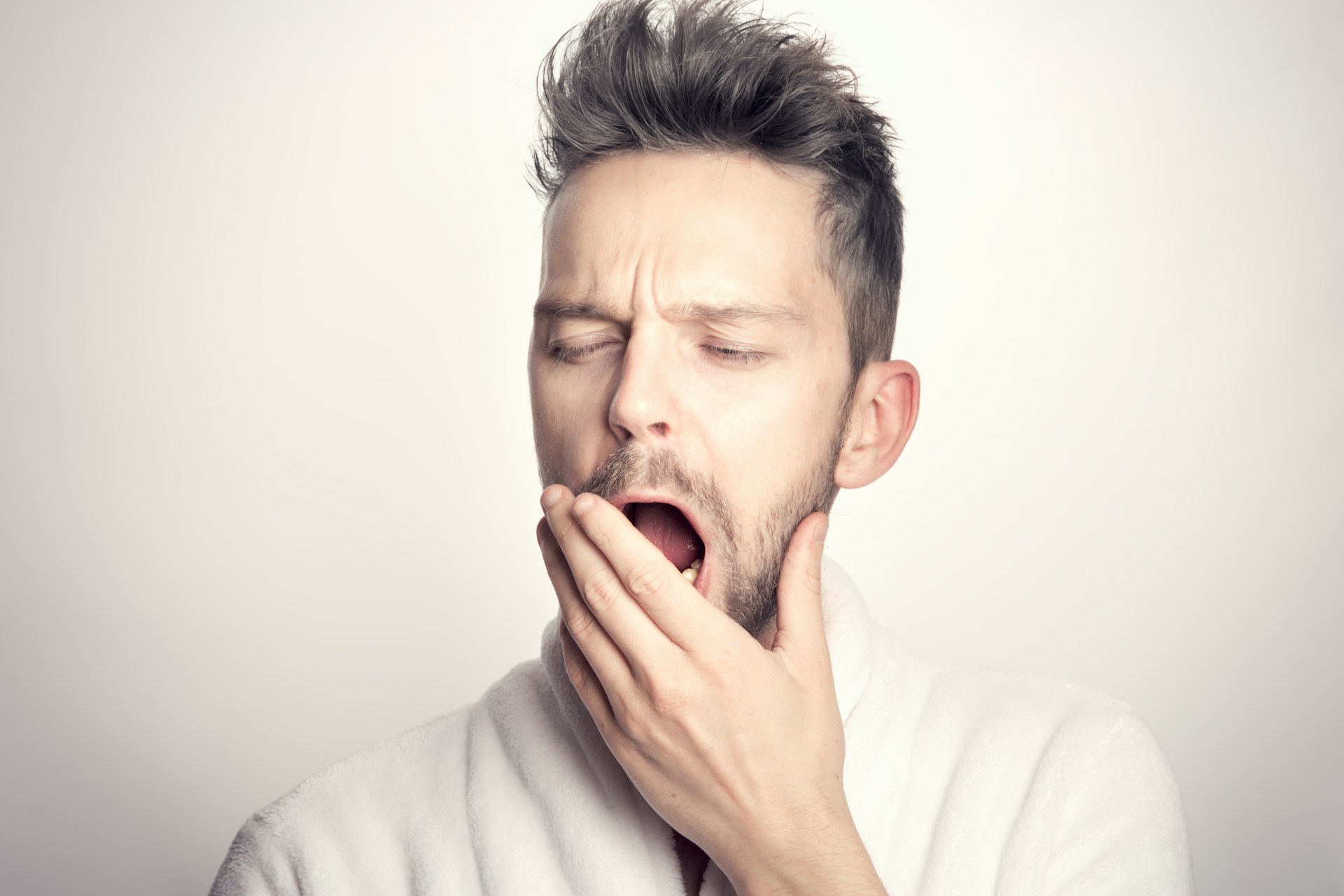
You’re Waking Up During Deep Sleep
The grogginess you feel isn’t always about how much you slept—it’s about which sleep stage you woke up in. If your alarm goes off during deep sleep (N3), your brain is still in recovery mode and can’t instantly switch to alertness. Wake during light sleep (N1 or N2), and you’ll transition smoothly. This difference matters more than total sleep time for how you feel in the morning.
The problem: you don’t consciously control which stage you’re in when the alarm goes off. But understanding your 90-minute sleep cycle can change everything.
Sleep Inertia: Why the First 20 Minutes After Waking Feel Terrible
Sleep inertia is the temporary cognitive and motor impairment that happens immediately after waking—and it peaks within the first 10–20 minutes. Your brain is still partially in sleep mode. You feel groggy, clumsy, and confused. Some people need 30–60 minutes to fully shake it.
During sleep, your brain cycles through different stages of neurological activity. Deep sleep (N3) is the hardest stage to wake from because your brain’s arousal threshold is highest—it takes a stronger stimulus to trigger wakefulness. When you’re jolted awake during deep sleep, your prefrontal cortex (the region responsible for decision-making and alertness) takes time to power up.
Research from the University of Colorado Boulder found that sleep inertia impairs cognitive performance more than being drunk for the first 15–30 minutes after waking. This isn’t exaggeration; it’s about neurological activation lag.
What you can do: Immediately after waking, expose yourself to bright light (open blinds, turn on lights), move around, and drink water. Light suppresses melatonin and signals your circadian clock that it’s time to wake. Movement increases heart rate and blood flow to the brain. Both accelerate the transition from sleep inertia to full alertness far better than staying in bed.
How Your Sleep Stage at Waking Determines Morning Grogginess
Your sleep isn’t one continuous state—it’s a repeating cycle. Each cycle has a predictable pattern:
- N1 (light sleep): Transition stage, 1–2 minutes. Easy to wake from.
- N2 (light sleep): Stable, restorative. Takes longer to wake from than N1 but much easier than deep sleep.
- N3 (deep sleep): Highest arousal threshold. Waking here causes maximum grogginess.
- REM (dream sleep): High arousal threshold. Similar to N3 for grogginess intensity.
One full cycle takes roughly 90 minutes. Over the course of a 7–9 hour sleep period, you’ll cycle through 4–6 of these sequences.
The stage distribution changes across the night. Deep sleep (N3) dominates the first two cycles. REM sleep is longer and more frequent in the later cycles. This is why waking at hour 2 (likely mid-deep-sleep) feels worse than waking at hour 7.5 (likely during lighter N2 or REM).
The key finding from sleep science: Grogginess correlates more strongly with sleep stage than with total sleep hours. Someone waking during N1 after 6 hours will feel fresher than someone waking during N3 after 9 hours.
What you can do: Identify your personal 90-minute cycle. If you need to wake at 7:00 AM, work backward to determine when you should sleep:
- Sleep at 10:00 PM → 5 cycles → wake at 7:30 AM (end of N2)
- Sleep at 10:30 PM → 4.5 cycles → wake at 7:00 AM (end of N2)
- Sleep at 10:15 PM → 4.75 cycles → wake at 7:00 AM (approximately mid-light-sleep)
Track your sleep quality and wake time in SleepGrids to identify which wake times consistently leave you feeling fresher. Over 2–3 weeks, a pattern emerges.
Alarm Timing and the 90-Minute Sleep Cycle
Most alarm clocks don’t care about your sleep architecture. They just go off at a fixed time. If that time happens to coincide with deep sleep, you lose.
A simple calculation can improve your mornings: Work backward from your wake time in 90-minute increments to find your ideal sleep time.
If you need to wake at 6:30 AM:
- 6:30 AM minus 90 min = 5:00 AM (too early, but this is cycle 1 end)
- 6:30 AM minus 180 min = 4:30 AM (cycle 2 end)
- 6:30 AM minus 270 min = 3:30 AM (cycle 3 end)
- 6:30 AM minus 360 min = 2:30 AM (cycle 4 end)
- 6:30 AM minus 450 min = 1:30 AM (cycle 5 end)
- 6:30 AM minus 540 min = 12:30 AM (cycle 6 end)
If you bed by 12:30 AM, you’ll complete 6 full cycles and wake at the end of light sleep. If you fall asleep at 12:45 AM, you’re waking 15 minutes into a deep sleep phase—much worse.
The real-world challenge: You don’t fall asleep instantly. It takes most people 10–15 minutes to transition from wakefulness to sleep. Add this buffer when calculating your ideal bedtime.
What you can do: Use a flexible alarm strategy. Set your alarm for 6:30 AM (your target wake), then also set a backup for 6:20 AM. Wake at whichever one first pulls you from bed naturally. This small 10-minute window often aligns you with a lighter sleep stage. Alternatively, use sleep tracking to log when you actually fall asleep, then adjust future bedtimes to account for your personal sleep latency.
Other Common Causes of Morning Fatigue
Sleep inertia and cycle timing explain much of morning grogginess, but they’re not the only culprits.
Sleep apnea: Repeated breathing interruptions throughout the night prevent you from entering deep sleep stages. You accumulate sleep but feel relentlessly groggy because that sleep was fragmented. Signs include snoring, gasping at night, or choking sensations. If grogginess persists despite optimizing your wake time and sleep environment, consider a sleep study.
Poor sleep quality: Alcohol, anxiety, inconsistent bedtimes, and environmental factors (noise, light, temperature) all fragment sleep and reduce deep sleep percentage. You might sleep 8 hours but feel tired because you spent too much time in light N1/N2 stages. Track your sleep quality and correlate it with daytime stress and evening habits to identify patterns.
Circadian misalignment: Your body has a 24-hour internal clock. If you sleep at wildly different times on weekdays vs. weekends (social jet lag), or if your sleep schedule is significantly out of phase with your natural chronotype (early bird vs. night owl genetics), morning grogginess worsens. Consistency matters more than perfection.
Insufficient total sleep: While sleep stage matters for grogginess, getting less than 7 hours nightly does impair alertness. Deep sleep and REM are compressed, and your body doesn’t fully recover. If you’re sleeping 5–6 hours, grogginess isn’t the problem—sleep deprivation is.
Caffeine timing and withdrawal: Caffeine consumed late afternoon can disrupt sleep architecture. If you often rely on evening caffeine, cutting it suddenly can cause withdrawal grogginess. Phase out gradually, or shift your caffeine cutoff earlier.
What you can do: Identify which variable is actually driving your grogginess. Is it poor sleep quality (track via SleepGrids)? Inconsistent bedtimes? Environmental factors? Address the root cause rather than just fighting the symptom.
How to Wake Up Feeling More Refreshed
1. Align your alarm with your 90-minute cycle. Calculate backward from your wake time, accounting for your personal sleep latency (typically 10–20 minutes). Aim to wake at the end of a cycle, not in the middle.
2. Avoid the snooze button. Each snooze restarts the sleep-to-wake transition, compounding grogginess. If you need the snooze, your bedtime is too late. Adjust your sleep schedule instead.
3. Use light immediately upon waking. Open blinds or turn on lights within 30 seconds of waking. Bright light suppresses melatonin and signals your circadian clock to shift into wake mode. This is the single fastest way to exit sleep inertia.
4. Move and hydrate. Get out of bed, stretch, and drink water. Physical activity increases heart rate and blood flow, accelerating the cognitive transition. Cold water is slightly more effective than room-temperature water for this.
5. Delay caffeine by 90–120 minutes. Let sleep inertia naturally resolve before consuming caffeine. Your cortisol naturally spikes after waking, providing initial alertness. Caffeine consumed too early can interfere with this natural rhythm and cause a harder afternoon crash.
6. Keep your sleep schedule consistent—even weekends. Your circadian rhythm synchronizes to a consistent sleep-wake schedule. Sleeping 2+ hours later on weekends (“social jet lag”) destabilizes your rhythm and makes grogginess worse on weekday mornings. Aim for the same wake time within 30 minutes every day.
7. Track what works for you. Different people have different sleep architecture and chronotypes. Use SleepGrids to log your sleep and wake quality against different bedtimes, alarm times, and evening habits. After 2–3 weeks, patterns emerge. Maybe you consistently feel best waking at 6:45 AM instead of 6:30 AM. Maybe avoiding alcohol the night before makes a bigger difference than you realized.
Frequently Asked Questions
Can I wake up less tired if I improve my sleep? Yes, but not always in the way you’d expect. While sleep quality matters, the timing of your wake matters more. Waking during light sleep (N1/N2 stages) causes less grogginess than waking during deep sleep (N3), regardless of total sleep duration. Track your wake time against your sleep patterns using an app like SleepGrids to find your personal 90-minute cycle window.
How long does sleep inertia usually last? Sleep inertia typically peaks within the first 10–20 minutes of waking and can persist for 30 minutes or more, depending on how deeply asleep you were. Exposure to bright light, movement, and caffeine all help accelerate the transition. If you’re struggling with prolonged grogginess, consider your alarm placement and wake-up environment.
Does hitting snooze make grogginess worse? Yes. Each snooze cycle restarts the sleep-to-wake transition, typically starting another light sleep phase that’s abruptly interrupted. This compounds sleep inertia. Instead, try waking at the end of a natural 90-minute cycle, or use consistent wake time even on weekends to sync your circadian rhythm with your alarm.
Is waking up tired a sign of sleep apnea? Persistent morning grogginess paired with snoring, gasping, or witnessed breathing pauses could indicate sleep apnea. However, most morning tiredness stems from sleep inertia or suboptimal wake timing. If grogginess persists despite adjusting your alarm time and sleep quality improves noticeably with better sleep habits, consider a sleep study. Track your sleep quality consistently in SleepGrids to identify patterns.
What’s the best time to drink coffee after waking up? Wait 90–120 minutes after waking to allow sleep inertia to naturally dissipate and your cortisol to rise. Caffeine consumed immediately upon waking interferes with this natural transition and can cause a sharper afternoon crash. If you need immediate alertness, try bright light exposure and movement first—they’re often sufficient.
Can I train myself to wake up less groggy? Partially. Consistency is the strongest tool: same wake time every day (even weekends) aligns your circadian rhythm with your alarm. You can’t fully eliminate sleep inertia from deep sleep, but waking at the end of a 90-minute cycle significantly reduces it. SleepGrids helps you identify which wake times align with your natural sleep rhythm.
The grogginess you feel in the morning isn’t a personal failing—it’s neurology. Your brain needs time to transition from sleep to wakefulness. But by understanding your 90-minute sleep cycle, optimizing your alarm timing, and using light and movement to accelerate the transition, you can wake up noticeably fresher.
Start by downloading SleepGrids and tracking your sleep and wake quality against different bedtimes. After 2–3 weeks, you’ll see which wake times leave you feeling best.