· The SleepGrids Team · Habit Tracking · 8 min read
Manual Sleep Tracking vs. Apple Watch: Which One Actually Changes Your Habits?
Wearables tell you what happened while you slept. Manual logging tells you why. Here's the science behind which approach is more effective for lasting sleep improvement.
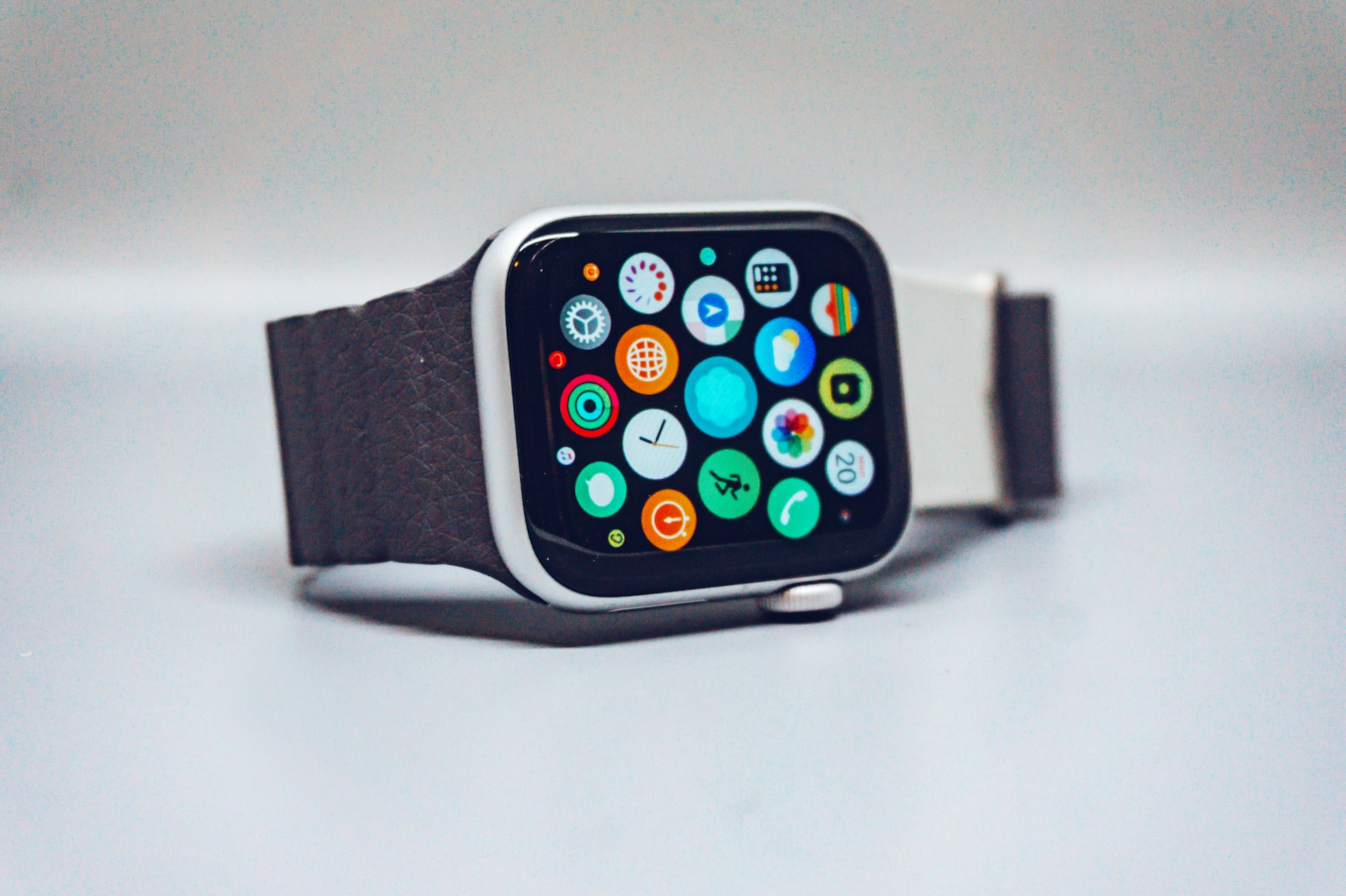
You’ve probably already tried passive sleep tracking. Most iPhone users have. You enable the Apple Watch sleep feature, wake up to a neatly designed summary card, look at it for about fifteen seconds, and then put your phone down and start your day.
A few months later, you’re still tired. The data was interesting. Nothing changed.
This isn’t a criticism of wearables — they do what they’re designed to do. But there’s a growing body of research suggesting that for the specific goal of improving sleep rather than simply measuring it, passive tracking has a fundamental limitation. And understanding that limitation explains why an intentional 10-second manual log often outperforms months of wrist data.
The Problem with Passive Tracking
When your Apple Watch or Oura Ring tracks your sleep, the process is entirely invisible to your conscious mind. The device collects data automatically. You wake up and receive a report.
This feels efficient. In a narrow sense, it is. But behavioural science tells us something important about the relationship between monitoring and change: the process of recording matters, not just the record.
When data is collected on your behalf, you are a spectator of your own health. You observe the information but don’t feel accountable for it. The data belongs to the device, not to you.
Compare this to what happens when you manually log your sleep each morning. You open your app. You drag the slider to set your sleep hours — a physical gesture that requires you to estimate and reflect. You tap a quality rating that asks you to actually check in with how you feel. You tick the habits you completed or skipped the night before.
This 10-second process is, in psychological terms, profoundly different from reading a passive report.
The Monitoring Effect: What the Research Shows
A landmark meta-analysis by Harkin et al. (2016), published in the Psychological Bulletin, synthesised findings from 138 studies involving over 19,000 participants. Their conclusion was unambiguous: actively monitoring your progress toward a goal increases the probability of achieving that goal by approximately 33%.
The effect was stronger when monitoring was:
- Frequent (daily rather than weekly)
- Physical (requiring a manual action rather than passive observation)
- Immediate (recorded close to the time of the relevant behaviour)
A morning sleep log ticks all three boxes. A passive wearable summary, reviewed intermittently, does not.
The mechanism isn’t mysterious. When you manually record health data, you engage with it cognitively. You notice patterns. You feel a degree of ownership over the outcome. That ownership creates what researchers call implementation intentions — the mental links between situations and planned responses. “I logged that my sleep was poor every day I had afternoon coffee” naturally leads to “I should try cutting coffee off earlier.”
A passive report that says “72 sleep score” doesn’t create the same cognitive chain.
What Apple Watch Can and Can’t Tell You
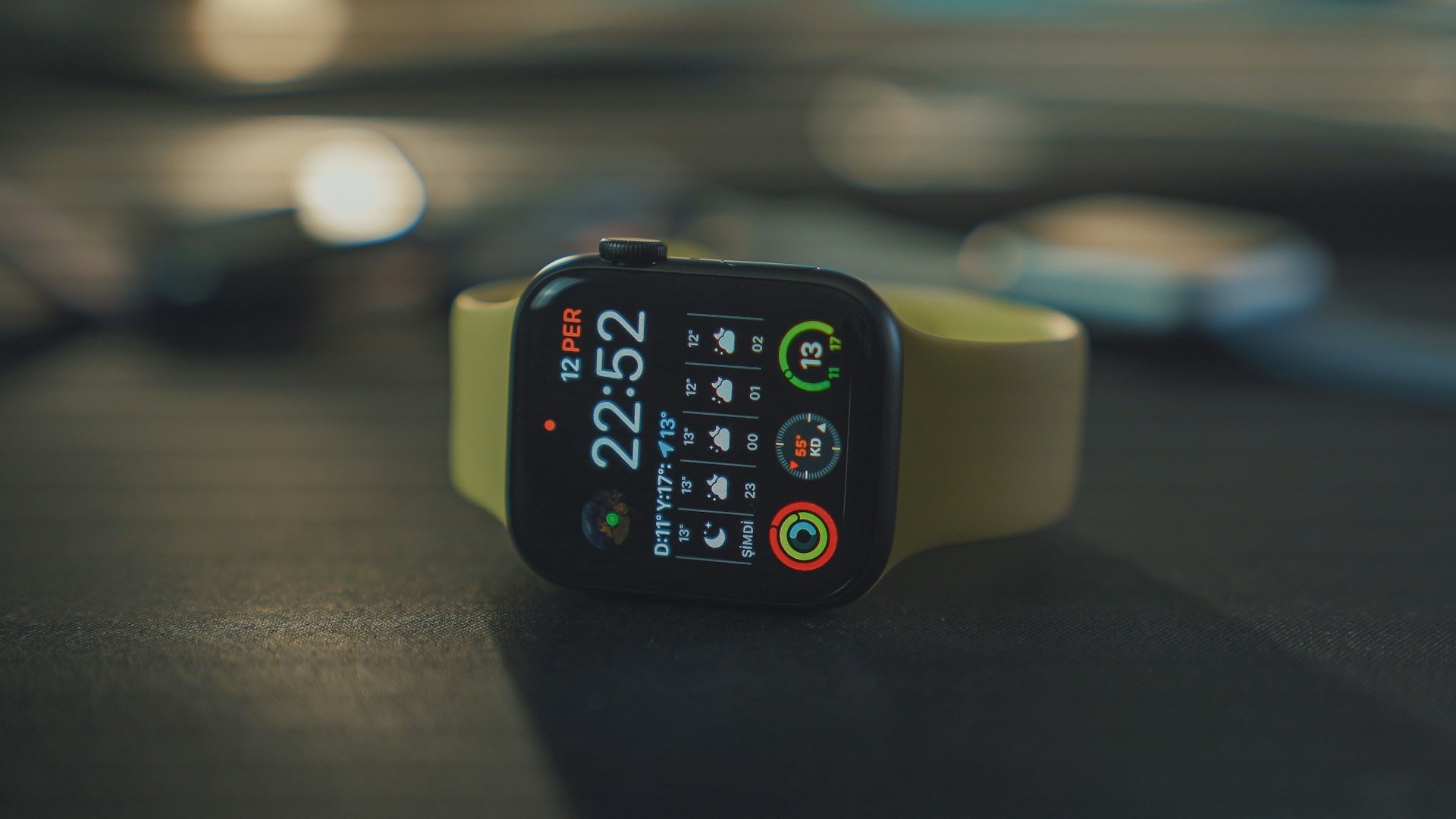
To be fair to wearable technology, it genuinely excels at what it measures: movement, heart rate, and heart rate variability. These metrics allow modern wearables to make reasonable estimates of sleep duration and broad sleep stage distribution.
What the Apple Watch cannot measure:
- Whether you had caffeine at 3 PM
- Whether you skipped your evening walk
- Whether dinner was at 6 PM or 10 PM
- Whether you were stressed or anxious during the day
- Whether you had a glass of wine before bed
- Whether you watched something intense on your phone until midnight
These are, according to decades of sleep research, the variables that most strongly predict sleep quality night to night. A wristband has no access to any of them. It observes your body during sleep; it knows nothing of the decisions that shaped it.
This is why the Apple Watch can tell you that your sleep was poor but rarely why. The “why” lives in your daily habits — and habits require intentional tracking.
The Best of Both Worlds
None of this means you should discard your wearable. The combination is genuinely powerful when each tool is used for what it does best.
Use your Apple Watch or Oura Ring for objective data: sleep duration estimates, heart rate variability trends, movement patterns. These metrics are useful for identifying major disruptions (illness, travel, significant stress) and for tracking long-term physiological trends.
Use a manual sleep log for habit correlation and behaviour change: the intentional daily practice of logging how you slept and what you did the day before. This is where the insights that actually change behaviour come from.
The comparison between wearable and manual data also adds a useful layer of context. If your wearable reports a poor night but your manual log shows good habits — no alcohol, consistent bedtime, cool room — you have a useful data point: the disruption might be physiological rather than behavioural, worth monitoring over time.
What to Manually Log for Maximum Insight
If you’re new to manual sleep tracking, starting with a small, focused set of variables is more effective than logging everything at once. The goal is to create a meaningful dataset within 2–3 weeks, not to build a comprehensive health record.
For a practical introduction to manual sleep tracking without wearables, read our guide to tracking sleep without wearable technology — it covers the fundamentals and shows you exactly what to track from day one.
The five variables with the strongest evidence for sleep quality correlation:
1. Sleep and wake times — Not just “roughly when I went to bed,” but an honest estimate of when you actually fell asleep and when you woke up. Consistency variance is one of the most revealing metrics in sleep health.
2. Subjective sleep quality (1–10) — This simple rating, logged immediately after waking, captures information that no wearable can: how you experienced the night. Morning mood and perceived quality often diverge from what devices estimate.
3. Caffeine timing — Not just whether you had caffeine, but when your last drink was. The half-life data makes timing the critical variable. For a deeper look at why timing matters more than quantity, see our post on the caffeine half-life and sleep.
4. Alcohol — Even one drink affects REM architecture in ways most people don’t notice consciously. A binary log (yes/no or number of drinks) is sufficient to reveal patterns within 2–3 weeks.
5. Exercise — Logged as a simple yes/no or with approximate timing. Exercise is strongly correlated with deeper sleep, but timing matters: vigorous exercise within 2 hours of bedtime can delay sleep onset for some people.
The Mindfulness Angle
There’s a dimension of manual sleep tracking that the behaviour-change research captures only partially: the mindful awareness that comes from the act of daily self-reflection.
When you check in with your sleep each morning — even for ten seconds — you cultivate a level of body awareness that most people never develop. You notice how you feel, not just what the data says. You develop an intuitive sense of which habits are moving the needle. You start making micro-decisions throughout the day with sleep in mind, because you’ve built a daily practice of caring about it.
This is the dimension that turns sleep tracking from a passive data collection exercise into an active practice of self-improvement. And it’s the dimension that wearables, however sophisticated, are not designed to provide.
If you’re deciding between different tracking approaches and tools, our comparison of the best sleep tracker apps for iPhone can help you choose the app that aligns with your tracking goals and lifestyle.
Frequently Asked Questions
Is manual sleep tracking accurate enough to be useful? For habit correlation and behaviour change, yes. Manual logging captures intentional data — bedtime, wake time, quality, and lifestyle habits — that wearables cannot access. Research shows that actively recording health data makes you 33% more likely to change the behaviour you’re tracking.
Can I use both a wearable and a manual sleep app? Yes, and it’s an effective combination. Use your Apple Watch or Oura Ring for objective data like heart rate and movement-based sleep stage estimates. Use a manual app for habit tracking and intentional self-reflection. Together, they give you both the “what” and the “why.”
What are the main limitations of Apple Watch sleep tracking? The Apple Watch estimates sleep stages based on movement and heart rate — it cannot detect whether you had a late espresso, a stressful meeting, or skipped exercise. These lifestyle factors often have a greater impact on sleep quality than anything the watch can measure.
What should I manually log to improve sleep? The highest-impact variables to track are: bedtime and wake time (for consistency), subjective sleep quality (1–10), caffeine timing, alcohol consumption, exercise, and pre-bed screen time. Logging just these variables alongside sleep quality reveals personalised patterns within 2–3 weeks.
Is manual sleep logging too time-consuming to maintain? Not with the right tool. Well-designed sleep logging apps are built for a 10-second daily check-in — slide your hours, tap your quality rating, check off habits. The intentionality of the 10-second action is precisely what makes it more effective than passive wearable tracking.
Take control of your rest with SleepGrids — the sleep and habit tracker designed around the science of intentional monitoring. Free to download, 10 seconds a day.